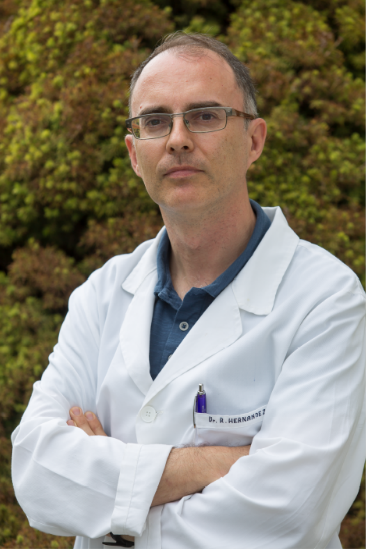
Learn more about the RIRADS project here 
Heterozygous mutations in the SCN1A gene are the genetic basis for nearly 90% of Dravet syndrome (DS) cases. Insufficient production of functional Nav1.1 channels in inhibitory interneurons is currently the most accepted physiopathological mechanism. This discovery has prompted the development of different approaches aimed at increasing the amount of functional Nav1.1 in the brain. The transfer of a correct copy of the SCN1A coding sequence into neurons using gene therapy vectors can reach this goal without the need of foreign protein expression or repeated administrations.
High-Capacity Adenoviral Vectors (HC-AdV) are suitable for this objective, and our preliminary results provide proof of concept about therapeutic effect in a mouse model of DS. New vector versions are being developed to increase the efficacy and safety of this approach. The physical and genetic stability of human adenoviral vectors allows the rational design of modifications aimed at improving their specificity and reducing inflammatory responses, which is the main drawback of this kind of vectors.
In this project we will study vector-induced inflammation in the particular context of DS mice, and how this process can impact long-term responses to the treatment. We propose complementary modifications in the capsid of adenovirus in order to avoid recognition and uptake of viral particles by microglia, which is an important step in the inflammatory cascade.
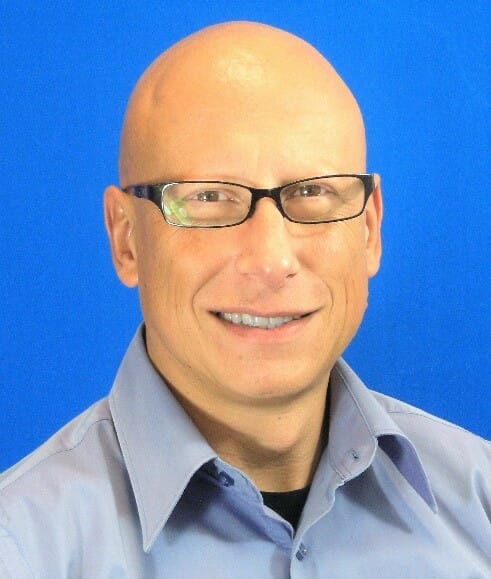
Learn more about the CCKTherapy project here
Dravet syndrome (DS) is largely drug resistant, although few drugs show some effects. Current researches aimed at correcting the genetic mutation responsible for this severe pathology are promising, but they are at early preclinical stages and may present several technical issues that could potentially hinder their translation to the clinic. Thus, it is important to develop in parallel other less invasive and less risky novel therapeutic approaches.
The mutation responsible for DS increases the excitability of neuronal networks by reducing the neuronal inhibition. We identified in a mouse model of DS a spontaneous physiologic response that partially corrects this deficit by increasing the release of a peptide acting on inhibitory neurons. We demonstrated that this effect partially rescues the reduced neuronal inhibition and the phenotype of DS mice. Moreover, we demonstrated that boosting this response by treating DS mice with an engineered version of this peptide dramatically attenuates hyperthermic seizures. Preliminary results also suggest that chronic treatment can reduce spontaneous seizures and mortality. Interestingly, this peptide has already been safely administered to humans. In this project we will complete the study of this new therapeutic approach (evaluating both seizures and behavioural dysfunctions), which could be rapidly translated.
THANK YOU 
A big thank you to all applicants for their interest in our call. All research proposals were of an outstanding quality and excellence! Unfortunately, not all projects can be funded, but we strongly encourage all applicants to look forward to more opportunities of collaboration with us, now or in the future. One dream, one goal.